Category Archives: Chris Green

What if… There was a commercial Amstrad CPC Mini?

The ZX Spectrum and the Commodore 64 have both enjoyed modern recreations. There’s been The Spectrum, TheC64 and TheC64 Mini, all of which shipped with a pre-installed set of games showcasing some of best the platforms had to offer. There were also some highly questionable choices in the offer too.

It got me thinking… If someone finally sees sense and releases the machine the world really wants, a recreated Amstrad CPC, either in mini or full-size form, what games would bundle with it?

Right now, the closest we can get is building our own using the excellent CPCESP fork of the ESPectrum project [We didn’t know what that meant either, but apparently it’s some techy GitHub stuff -Ed]. But it does at least mean we can build one now rather than wait, possibly forever. And we do mean build, check out the CPC Mini our very own Simon 3D printed.

The Amstrad CPC, like its 8-bit counterparts, had technical constraints (limited RAM, cassette loading on the 464 and 464+, difficulty scrolling), while also overcoming many of the issues its rivals were hampered by (colour-clash on the ZX Spectrum, a palette that was mostly brown and the world’s slowest disk drive on the C64).

Developers of the better games released had to prioritise gameplay, ingenuity and design clarity. The best games on the CPC aren’t just technically impressive, they are timelessly playable. Let’s look at a top 20.

Fantasy CPC Mini games bundle top 20

I’ve put together a list of 20 games that to this day resonate with me. They span both the CPC and CPC+/GX4000, and I’ve chosen them for their gameplay quality, technical achievement and lasting fun or challenge.

1. Chuckie Egg
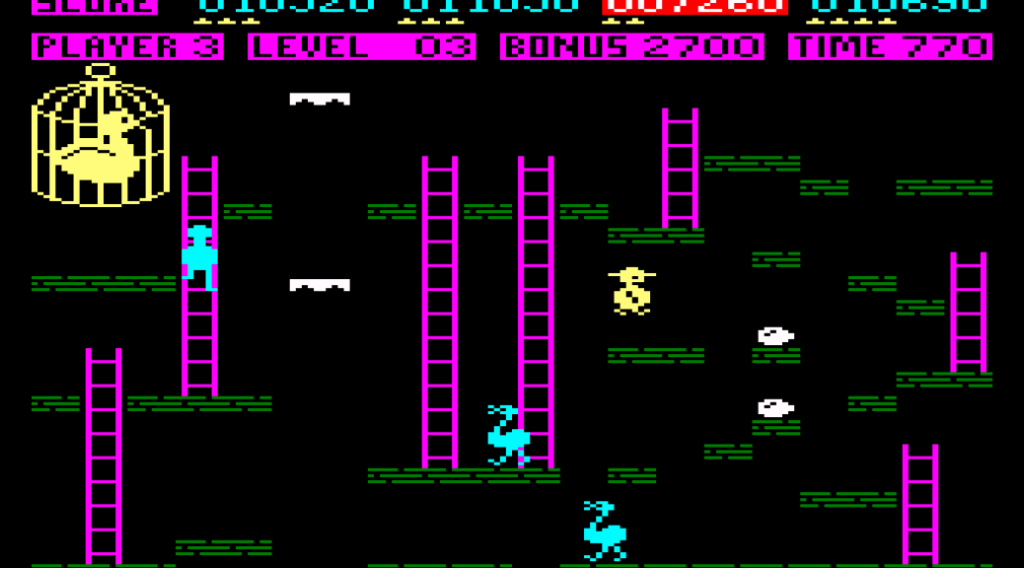
A defining early platformer, it is deceptively simple: collect eggs while avoiding birds. Its brilliance lies in perfect control, escalating challenge and score-driven replayability. Even decades later, it remains addictive. It’s often cited as one of the most iconic 8-bit games cross all platforms due to its accessibility and depth. 

Why it stands out: pure gameplay perfection—no wasted mechanics.

2. Manic Miner
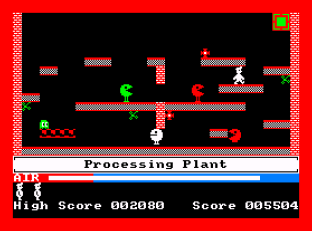
A surreal, punishing platformer with tight level design and memorable music. Its difficulty forces mastery. It’s not the best looking game by any stretch of the imagination, but it’s an example of how exceptional gameplay eclipses graphics and sound.

Why it stands out: one of the earliest examples of precision platforming as art.

3. Jet Set Willy
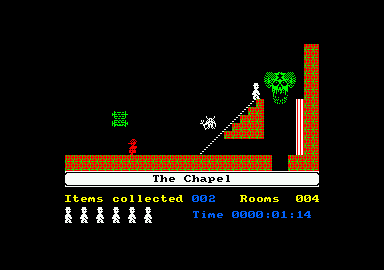
The sequel to Manic Miner expanded into a sprawling mansion with non-linear exploration.

Why it stands out: open-ended design ahead of its time.

4. Navy Seals
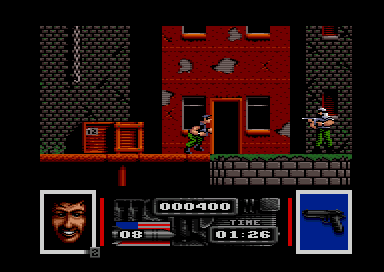
One of the toughest and best-looking games released for the later Amstrad CPC+ and GX4000 machines, this platformer loosely based on the film of the same name also has excellent opening music and makes full use of the CPC+ expanded colour palette.

Why it stands out: challenging and strategic, combining platformer, shoot’em-up and mission objectives.

5. Elite
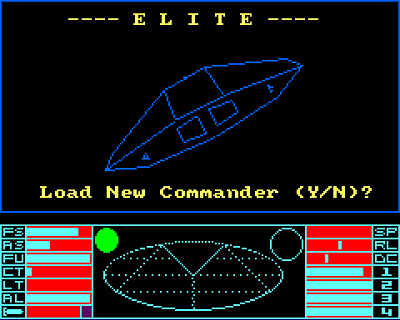
A groundbreaking open-world space simulation with trading, combat and exploration. Released for pretty much every computer platform you can think of, the CPC version is still considered to be among the best versions.

Why it stands out: arguably the first true open-world computer game.

6. Dizzy
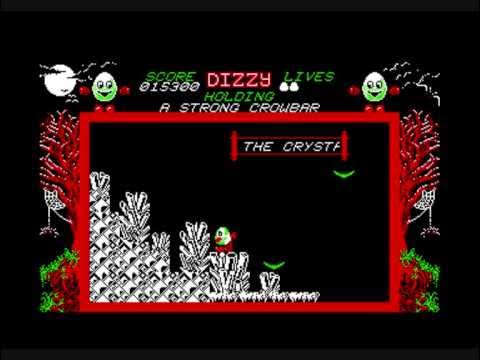
A charming puzzle adventure starring Dizzy the egg. While visually identical to the ZX Spectrum version, the CPC version benefits from not having colour clash and better sound.

Why it stands out: character-driven gameplay and accessible puzzles.

7. The Great Escape
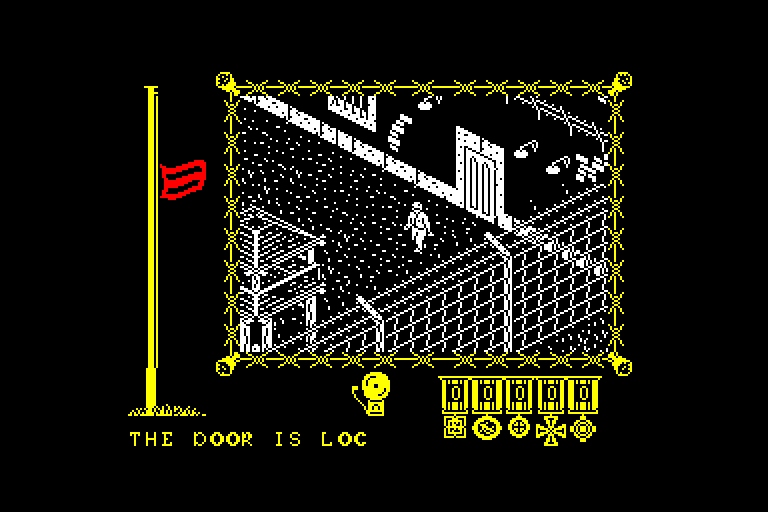
Based on the WWII film, this is a sandbox stealth game set in a prison camp. Often overlooked in round ups, it’s one of the most challenging and well-developed CPC games of its time.

Why it stands out: emergent gameplay and AI-like routines far ahead of its era that actually stretched the CPC’s capabilities to their limit.

8. Rick Dangerous

A trap-filled platformer inspired by Indiana Jones, requiring memorisation and precision. 

Why it stands out: tight design and trial-and-error mastery.

9. Rick Dangerous 2
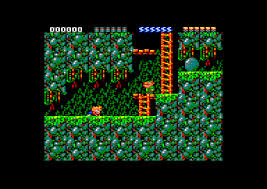
Builds on the original with improved graphics and more varied levels.

Why it stands out: refinement of a tough but rewarding formua.

10. Boulder Dash
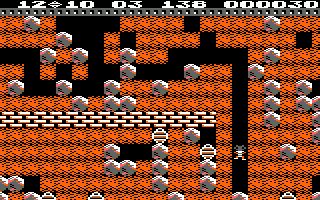
Dig through caves, collect diamonds and avoid falling rocks. This was a game I literally got lot in for hours, usually at the expense of doing my homework.

Why it stands out: perfect balance of action and puzzle mechanics.

11. Gryzor
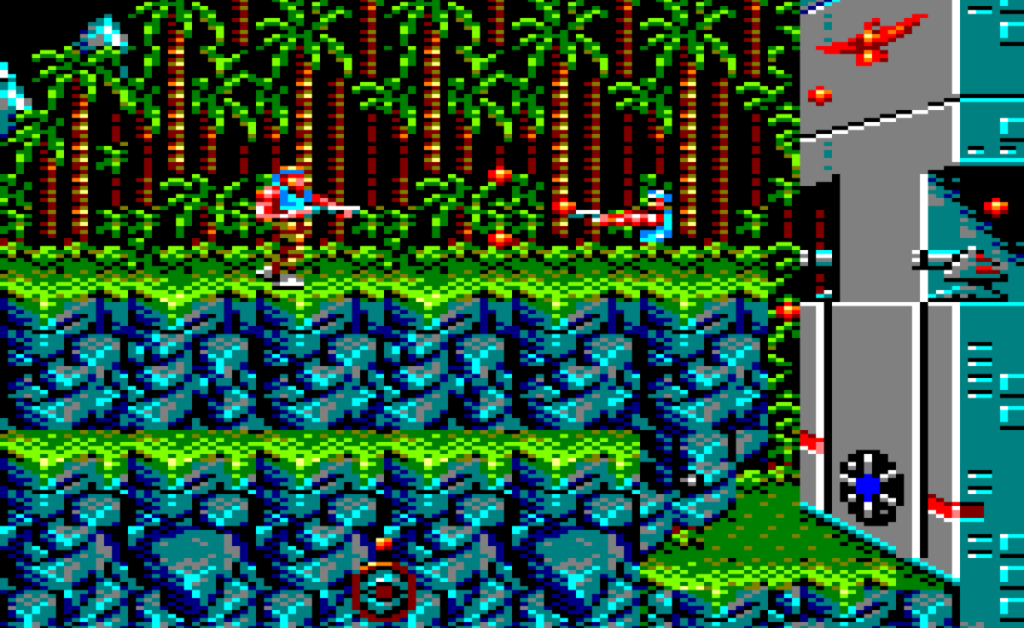
A fast-paced run-and-gun shooter (known as Contra elsewhere). With cover art that looks just different enough from the cinema poster for the Arnold Schwarzenegger movie Commando to avoid a lawsuit, the Arnie vibes are strong. Easily one of the best games on the CPC, hands down.

Why it stands out: one of the best arcade conversions on CPC.

12. Renegade
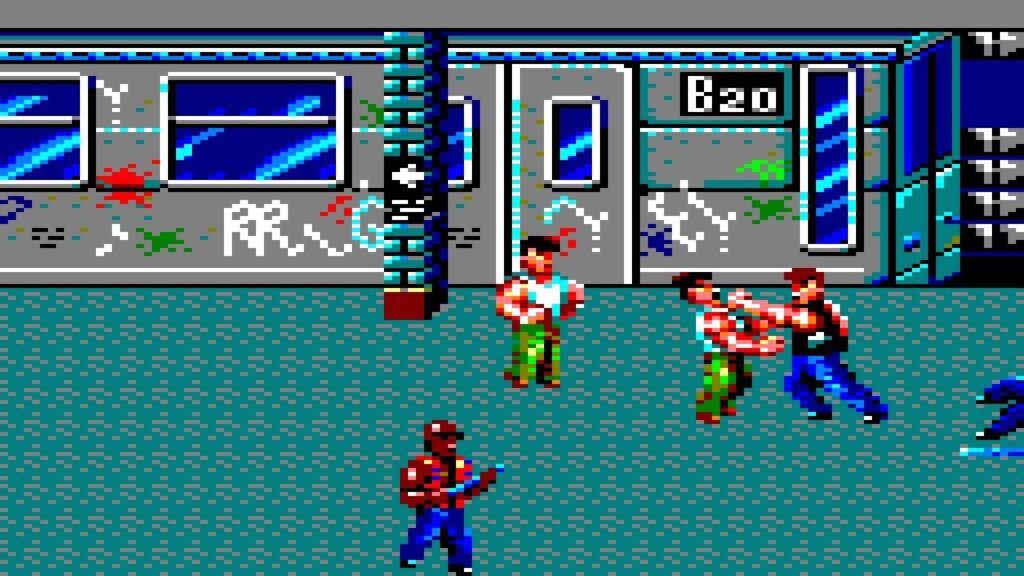
A pioneering street brawler with depth beyond simple fighting.

Why it stands out: introduced complex combat mechanics to home systems.

13. Target Renegade

An improved sequel with smoother gameplay and better visuals.

Why it stands out: refinement of early beat ’em up design.

14. Barbarian: The Ultimate Warrior

A brutal one-on-one fighting game famous for its decapitations.

Why it stands out: shock value + deep combat system.

15. Prince of Persia
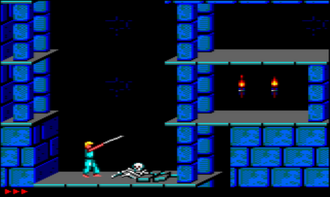
A cinematic platformer with fluid animation and realistic movement. Another example of stunning graphics on the CPC, with gameplay to back it up.

Why it stands out: animation and storytelling breakthroughs.

16. R-Type
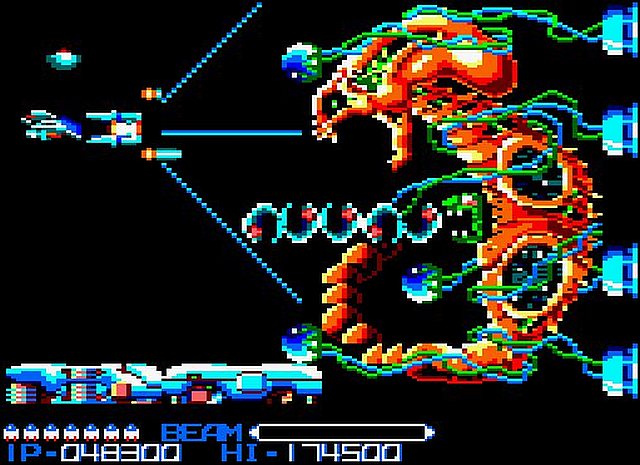
A technically impressive shooter with massive sprites and smooth scrolling. The community recently revamped the game, making use of 128K and overhauling the graphics and sound. This is the version I would include.

Why it stands out: both versions push the CPC hardware to its limits.

17. Bubble Bobble

A colourful, cooperative arcade port.

Why it stands out: multiplayer fun and timeless design.

18. Rainbow Islands
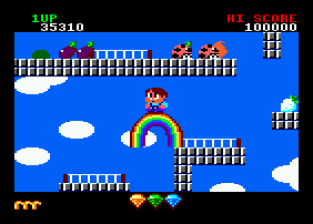
A sequel to Bubble Bobble with vertical scrolling and inventive mechanics.

Why it stands out: creativity and vibrant presentation.

19. The Sacred Armour of Antiriad
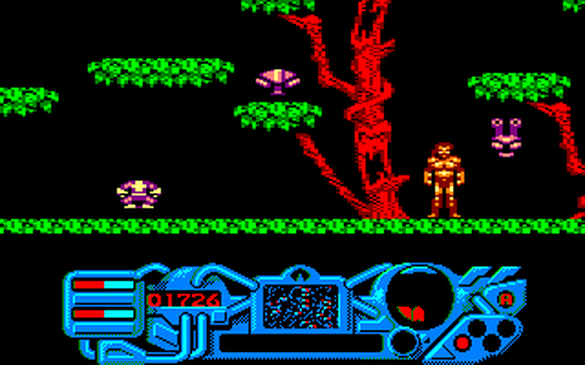
A sci-fi exploration game blending platforming and narrative.

Why it stands out: atmosphere and world-building.

20. Batman: The Caped Crusader
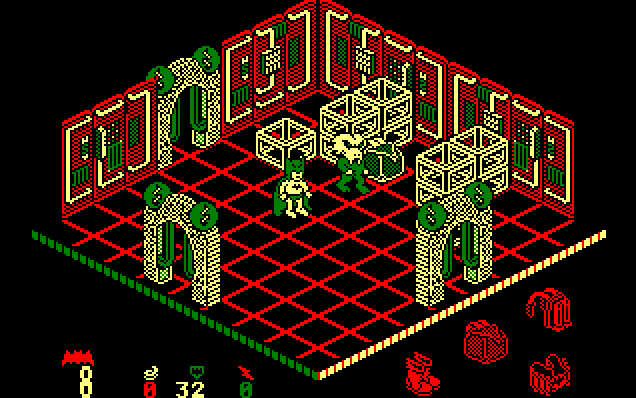
An isometric adventure with comic-style presentation.

Why it stands out: innovative visual storytelling and design.

What makes these games the best?

  • Gameplay over graphics

    Developers focused on game mechanics and addictive loops. Games like Chuckie Egg and Manic Miner prove that simplicity can outperform technical wizardry.

  • Innovation

    Titles like Elite and The Great Escape introduced new ideas for the time like open worlds and simple AI systems, concepts that wouldn’t become mainstream for years.

  • Arcade perfection at home

    Games such as Gryzor and R-Type showed that the CPC could deliver arcade-quality gaming.

  • Longevity and replayability

    Many of these games are still played today because they rely on skill, mastery and replay value, not just spectacle.

  • Cultural impact

    These titles helped define 1980s British gaming culture, with some becoming legendary across multiple platforms.

If you explore the CPC release library today, you’ll find something remarkable: many of these titles still feel surprisingly modern.

So, these are my 20 picks, and I’ll have them set up and running on one of my CPCs at the inaugural UKAG meet in June.

Do you agree with them?

Which games do you think should and should not be on that list?

Comment below, and let’s chat at our event in June!


Who is Chris Green?

On a rainy morning on 21st June 1984, me and my dad wandered down to our local branch of Rumbelows on the Edgware Road in North West London. As luck would have it, this was literally round the corner from where we lived. It also happened to be the public launch site for an era-defining home computer – one that had a profound effect on my life and career.

Yes, a lowly branch of Rumbelows was the place where Amstrad put the first stock of the CPC 464 on sale. It was a shop we knew well. In the pre-Amazon, pre-internet era, Rumbelows (along with Dixons and Currys) was where most of us bought electronics and home appliances. Over the years we bought TVs and a VCR from that same shop, as well as our vacuum cleaner and the Amstrad HiFi that for many years sat in the corner of the living room!

Money was tight, so we couldn’t afford the 464 with a colour monitor. To avoid keep having to use the main TV in the house every time I wanted to use it, the compromise was to get me a 464 with the smaller, cheaper green screen monitor. Even so, £200 was a lot of money in 1984 and I know that my parents had to make sacrifices to find it. I was absolutely over the moon with the new computer I came home with, a massive step up from the Sinclair ZX81 and 16K ZX Spectrum that my sister and I had shared previously.

Beginnings

That machine was the start of something quite profound for me. A “proper” computer rather than the innovative, but challenging devices that Sinclair produced, the Amstrad introduced me to a whole new world of possibilities, from games to serious software to showing me the potential for computers to change how we do everything. Its keyboard was the reason I leaned to type.

It’s also the machine that introduced me to computer programming. I wrote several games, including a couple of adventure games that I sold to Mastertronic, a budget label that paid good money back then for sellable games. Going into my local 7-Eleven on the corner of Church Street and the Edgware Road and seeing a game that I wrote on the little Mastertronic display carousel that was on the counter by the till was an incredible feeling. I did quite a bit of programming over the years on the CPC and other systems, less on games and more on serious software. I even did some work with Arnor, helping to develop the Protext-based software set for the Amstrad NC100 and NC200 Notepads. I eventually realised I enjoyed writing about computers more than I did writing software for them.

Being more proficient in computing use compared to most of my classmates (as well has having my own computer and not having to rely on a bank of poorly maintained BBC Micros at school), schoolwork was far less of a challenge.

By the time I got to my GCSEs I had moved on from my CPC 464 to a 464 Plus – and finally got a colour monitor! That 464 Plus, while not as successful as the original CPCs, is still my favourite of all the CPC range. I expanded it heavily, with a 64K RAM pack to take it to 128K RAM, added a disk drive interface along with 3inch and 3.5inch floppy drives (no longer having to save everything to tape was so good), an RS232 interface and my first modem (the 464 Plus was the first machine I went online with), as well as bringing across my ROMBO rombox from my original 464. I had to buy a new Multiface II for it, as the original didn’t work on Plus machines. I remember going to Romantic Robot’s premises one evening after school with a classmate to buy it and was surprised to discover that their “office” was in fact just a house in Wembley. There was some surprise when I showed up on their doorstep, but they happily furnished us both with the new Multifaces we were looking to buy.

Business-minded

Coursework was made simpler, and CPC-based GCSE revision tools from Kosmos Software gave me a huge advantage. I still remember creating some pretty amazing GCSE Business Studies coursework using Mini Office 2 to create pie charts and bar graphs that put my coursework on another level. I even created the first three issues of my school’s magazine on my 464 Plus using Micro Design. While writing English essays in Protext provided a writing environment where I could develop ideas and prose freely, rather than being forced into a narrow lane by writing everything longhand.

Chris Green with the CPC Prototype

As a teenager I was already contributing pieces of work to several local newspapers where I had a syndicated computer games review column. I also wrote various articles including news and type-in software tutorials for Amstrad Action, before moving on to write for its sister title New Computer Express. It wasn’t long before that hobby became a career.

By the time I left school, I was already working for a national newspaper (Today). While I had moved on to other computers (namely the Amiga) by then, my interest in the CPC never went away. Moreover, the career I have as a journalist, the awards I’ve won for my work, my page layout and DTP skills that have helped launch and redesign several newspapers, magazines and web sites in the last 30 years all trace back to my origins the CPC and what I learned from using it.

The CPC stands as an example of how an affordable, innovative and versatile computer shaped my career, as well as my life-long obsession with technology.

Collecting

In later years I’ve been fortunate enough to rebuild my CPC collection and more. I now have a CPC 464 (sadly not my original one), a CPC 6128, two Schneider CPC 6128s (the German version of the machine), a 464 Plus (not my original one, which is now in the Computer History Museum in California), a 6128 Plus and a GX4000 (which is my original one from back in the day, that I bought for just £10 from Bull Electrical).

As I mentioned, I progressed from the CPC to the Amiga in the 90s. I always felt this was an appropriate path for a CPC user, the CPC being a platform with a real operating system in the form of CP/M Plus and serious capabilities alongside good games, the Amiga having Workbench/AmigaOS and similar non-gaming credibility alongside being a great games machine. I wrote for many Amiga magazines including Amiga Format, CU Amiga and Amiga Active, even did some development work on the later versions of Deluxe Paint for Electronic Arts. Again, the Amstrad CPC made that possible.

Kickstart

For the last three years I’ve been running the Kickstart Amiga User Group, something I’ve been involved with since 1997. After a long hiatus, we decided to resurrect physical meets for the group, in response to the growing interest in the retro computer scene and people’s desire to do things in-person again.

Chris Green Chuckie Egg UKAG

While Kickstart meets are predominantly Amiga-centric, people are always welcome to bring other machines (except Atari STs of course), and it soon became clear that we had a group of CPC enthusiasts within our Amiga community. That got several of us thinking: “With all this retro computing interest, why are there no CPC groups and meets?” So, we collectively decided to do something about it.

The UK Amstrad Group (UKAG) was born, with the aim of bringing together and supporting the Amstrad community in the UK in the same way that groups have done in France, Spain, Germany etc. Supported by the facilities, knowledge and infrastructure that Kickstart has amassed over the last few years, we are holding the first Amstrad computer user meet-up in the UK in a generation on 21st June 2026.

It is going to be an amazing day, with people including Roland Perry in attendance as well as our friends at Spanish CPC user group AUA coming as well. The day is a chance for Amstrad computer users to come together to show, share and use their machines, as well as see rare and interesting prototypes and custom builds. It’s a day to socialise, play games, share memories and have a lot of fun.